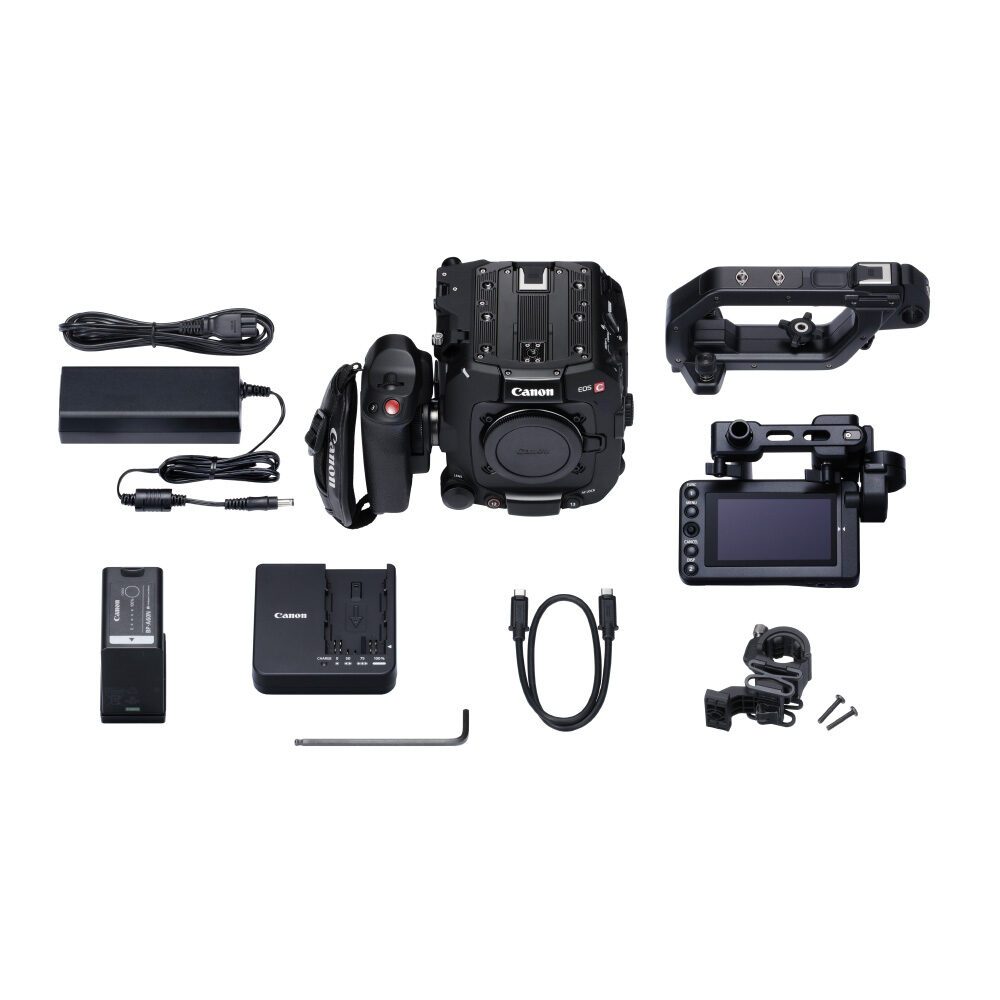


EOS C400
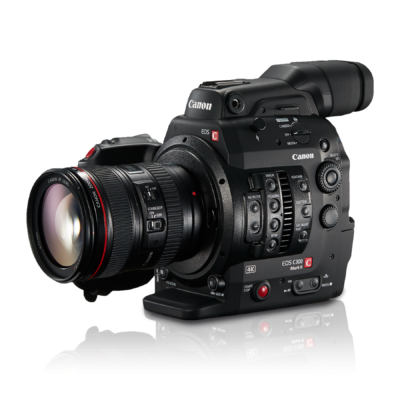
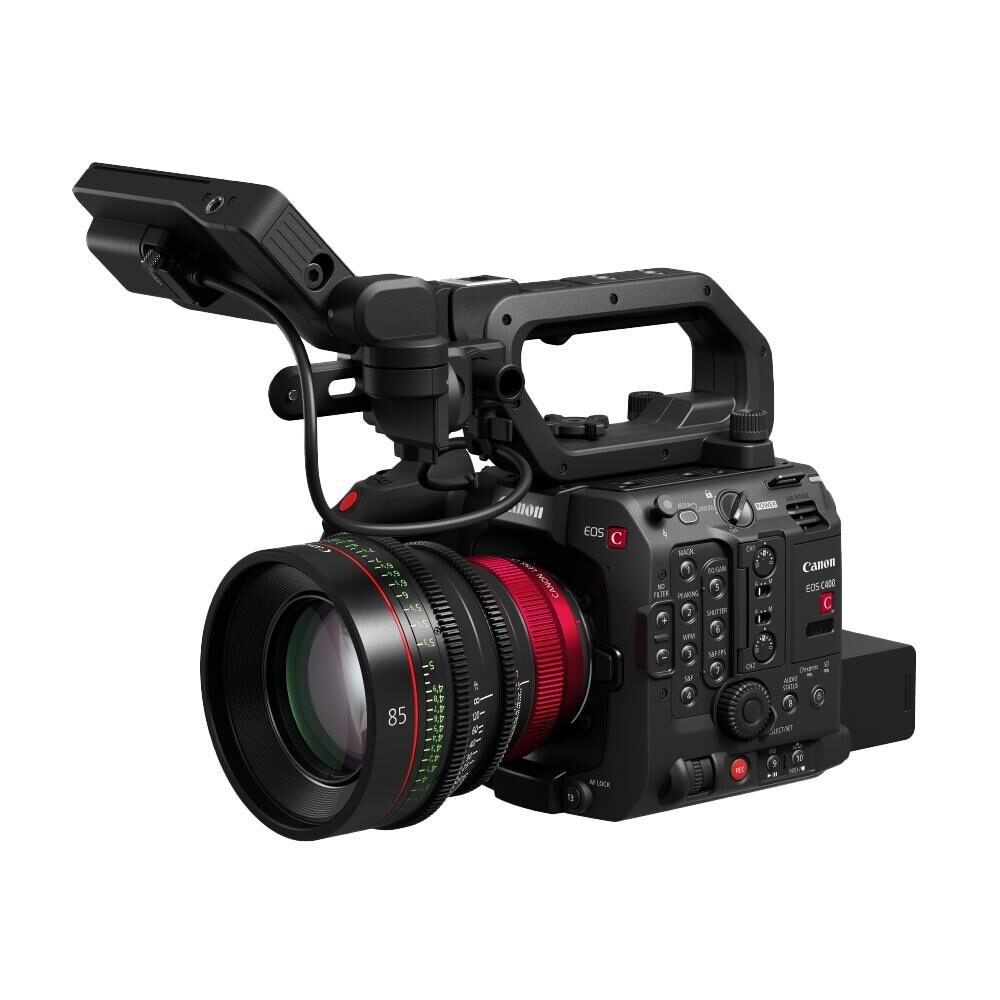
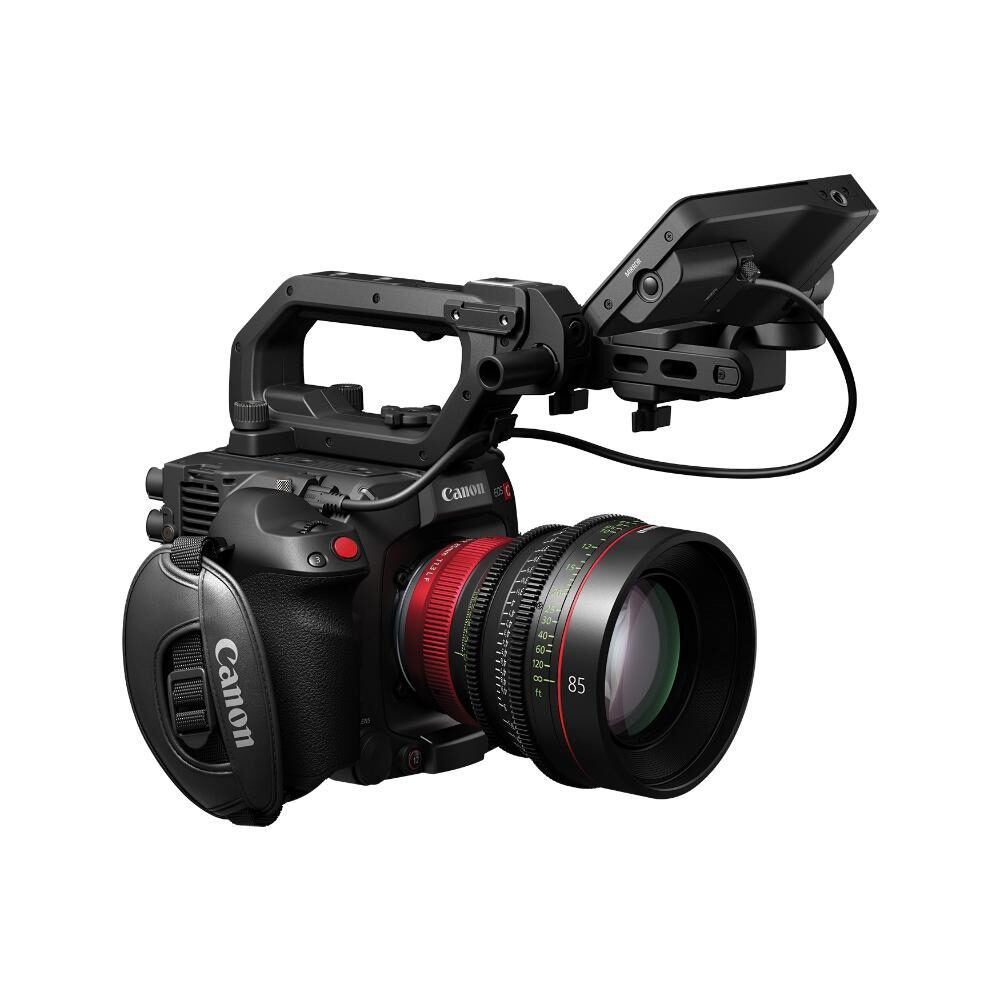
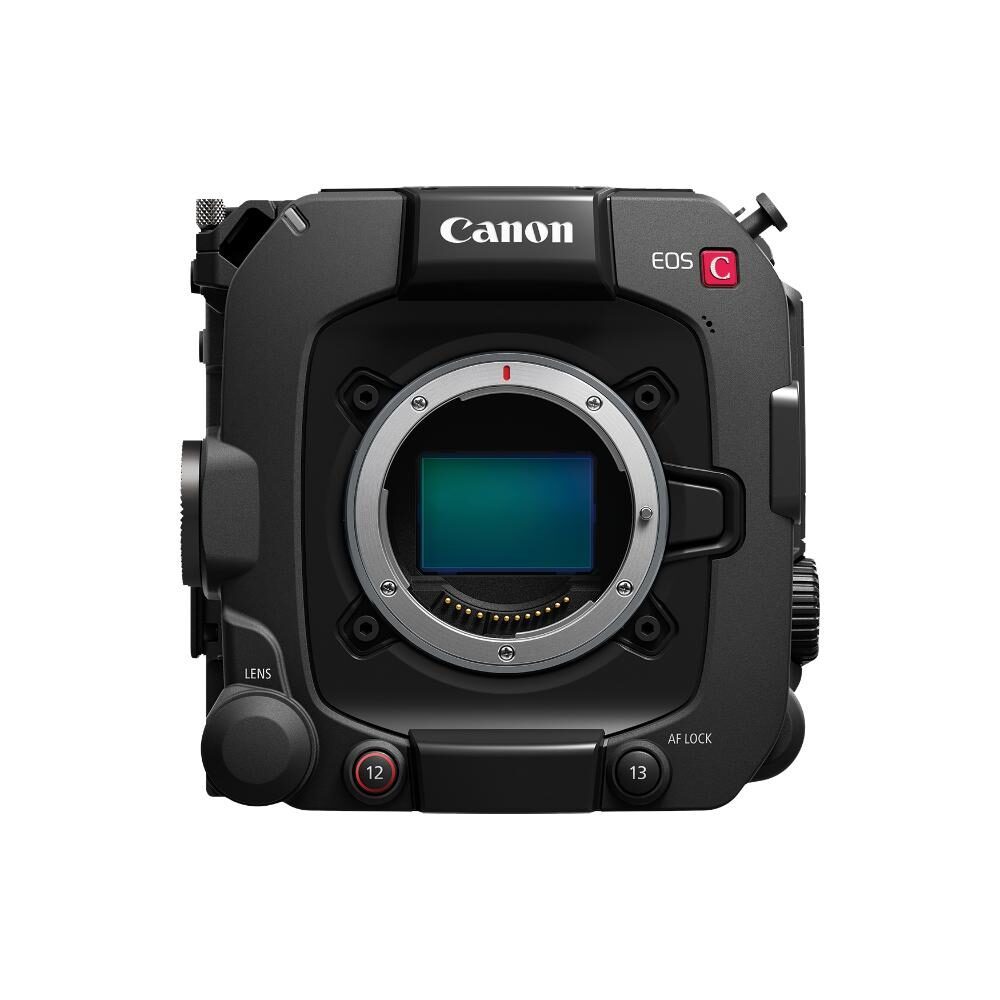
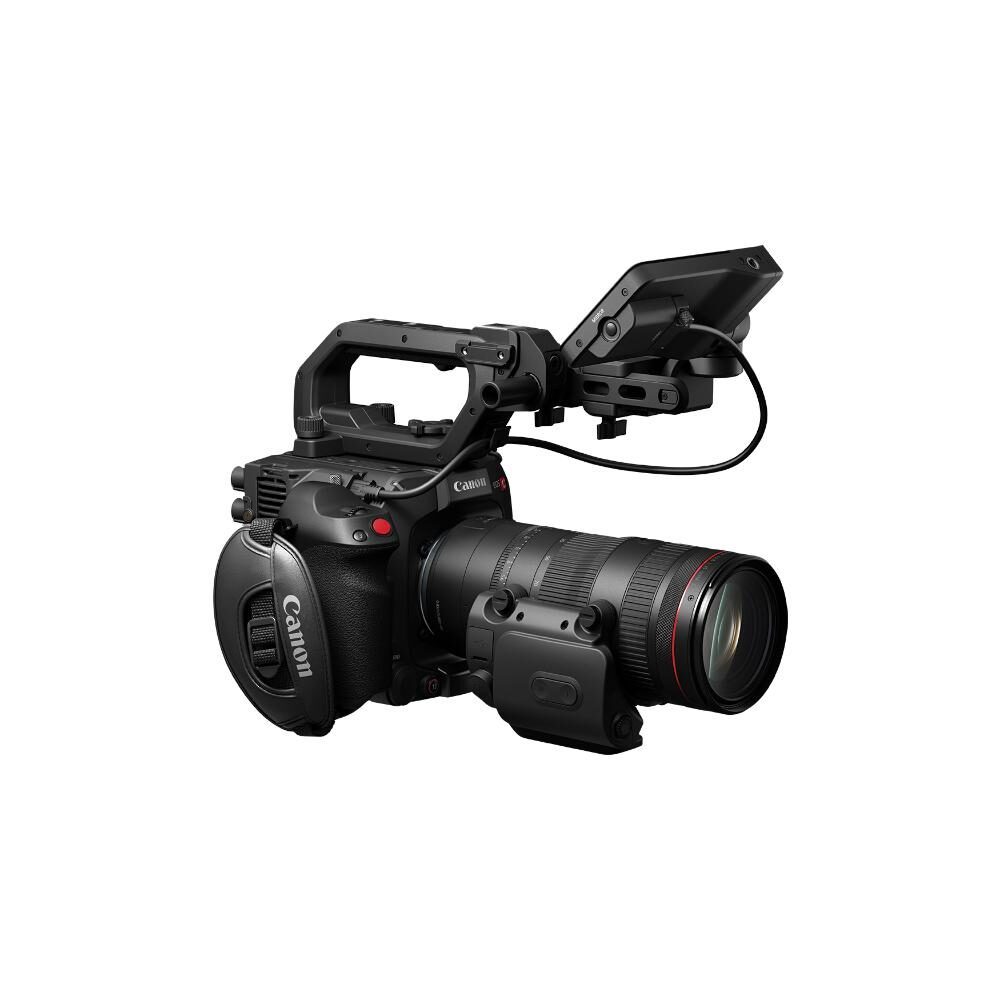
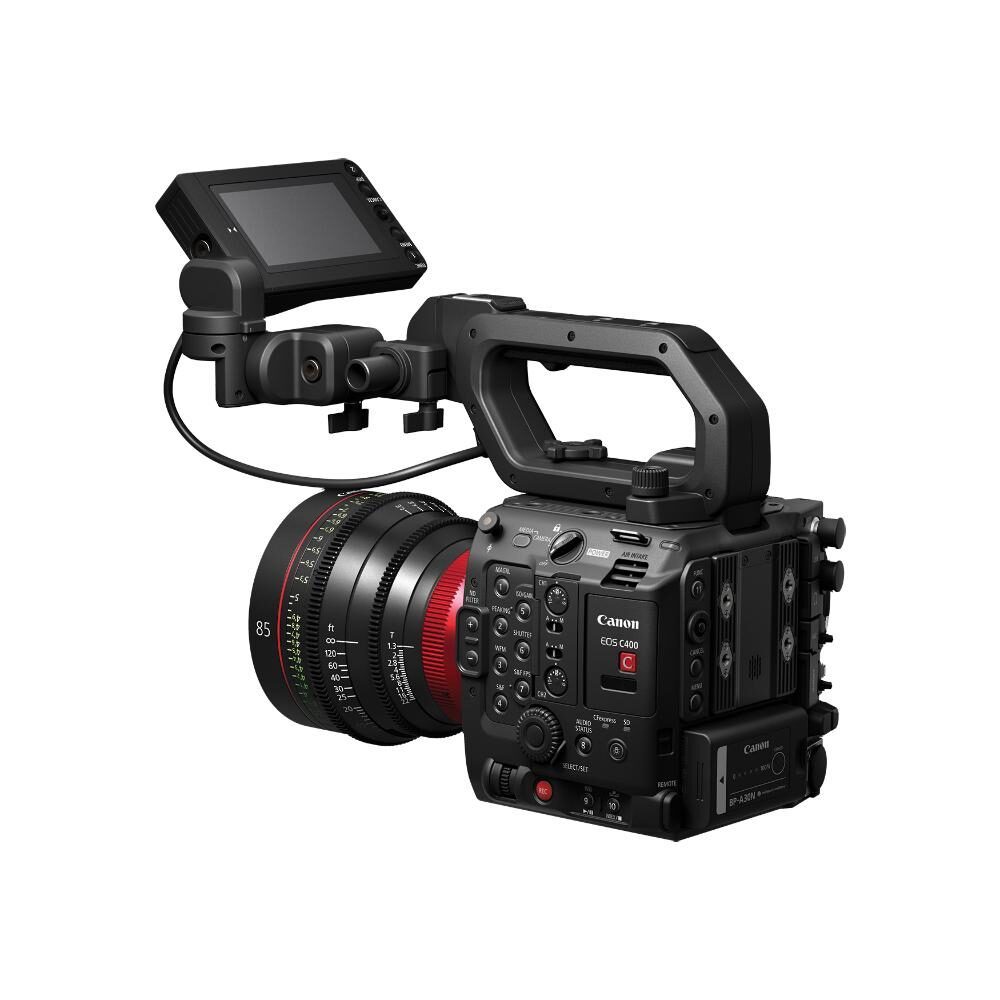
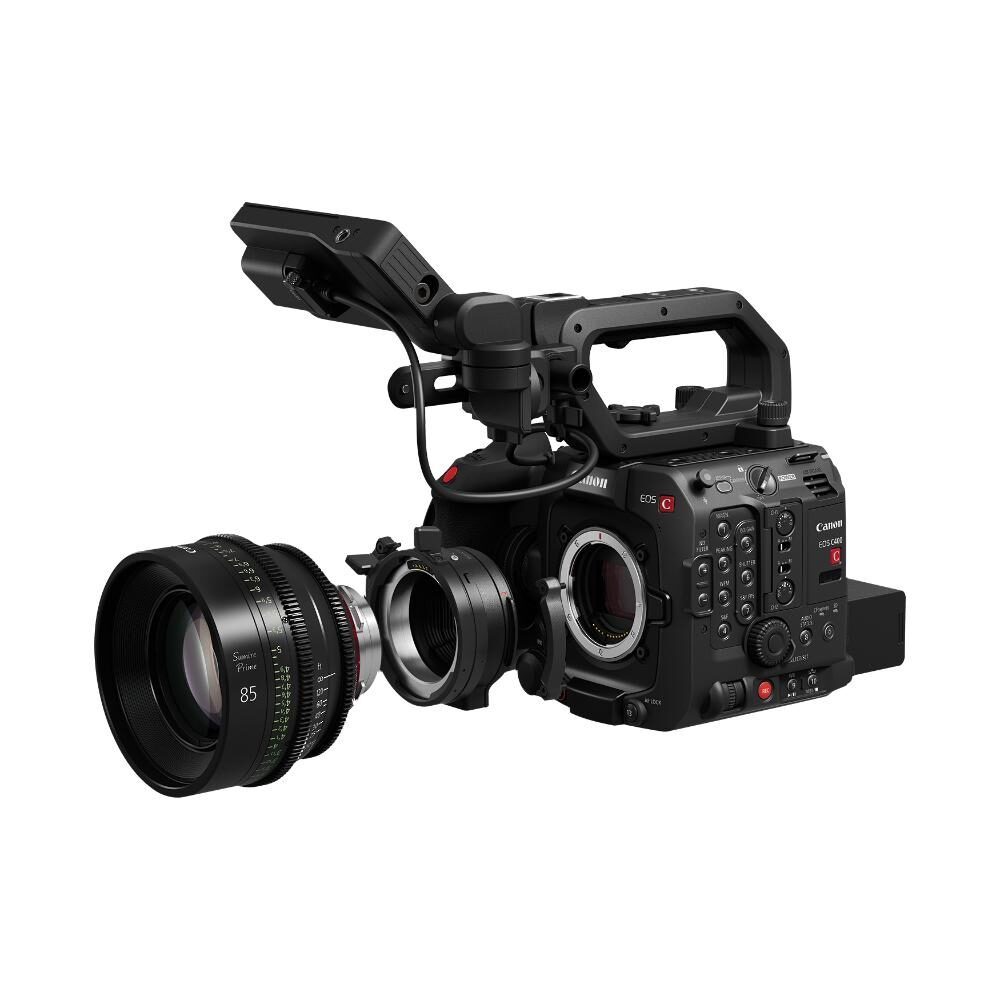
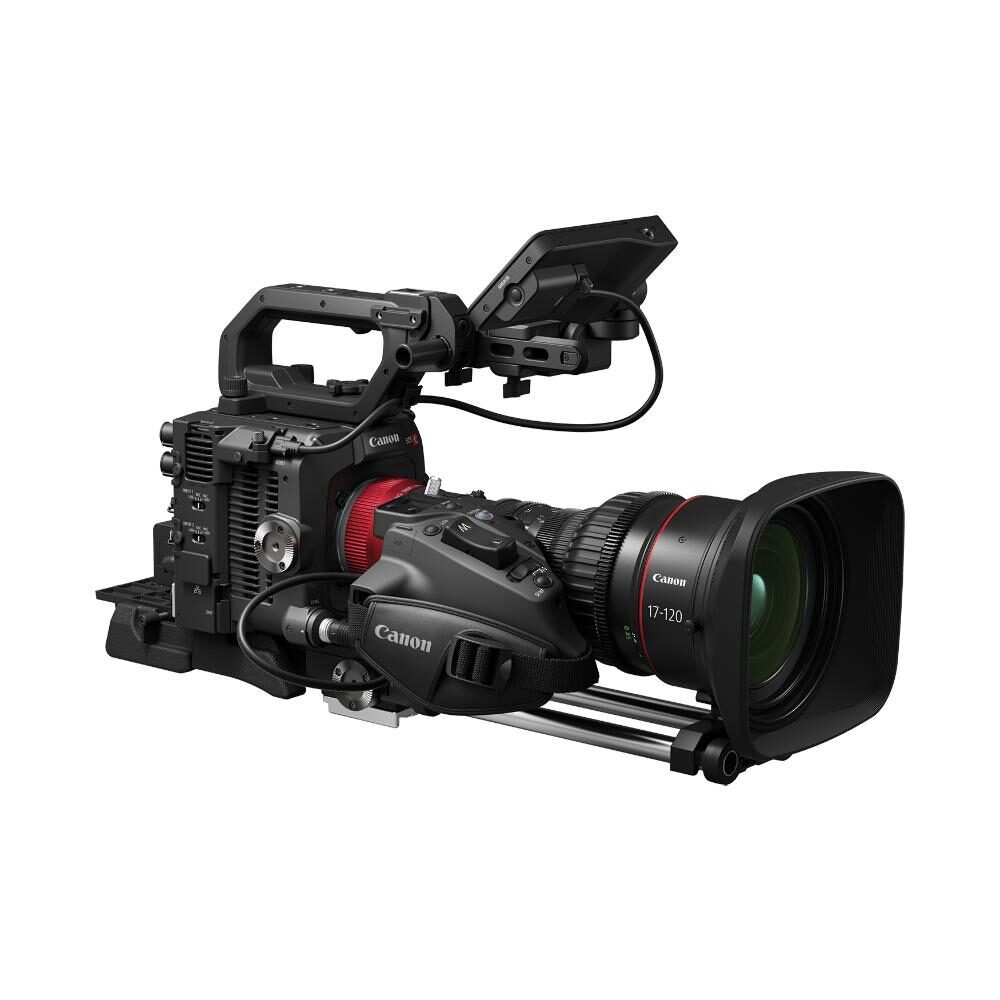
The compact camera body is well-appointed and includes Canon's newly-developed 6K full-frame Back-Illuminated Stacked CMOS sensor, which supports a variety of sensor modes, including Full Frame 3:2, Super 35mm, and Super 16mm. The EOS C400 features 6K/60p Cinema RAW Light and 4K/120p internal recording along with Canon’s next-generation Dual Pixel CMOS AF II, among other outstanding features. Additionally, the EOS C400 has a variety of interfaces, including return input, Ethernet, and Wi-Fi, enabling control from various Canon and third-party devices.
$11,499.99

Share


Features

6K Full Frame Back-illuminated Stacked CMOS Sensor Supports Super 35mm and Super 16 Crop Modes
The EOS C400 is the first Cinema EOS camera to feature the newly developed, 6K back-illuminated stacked full frame CMOS sensor, which offers exceptionally low noise. The sensor delivers faster read-out speeds than previous EOS sensors and when compared to a front-illuminated CMOS sensor, the sensor’s architecture provides improved sensitivity as it increases light capturing efficiency and improves 4K image quality with 6K oversampling.*
*When recording in XF-AVC, XF-HEVC S and XF-AVC S in full-frame sensor mode at a frame rate of 60p or lower.
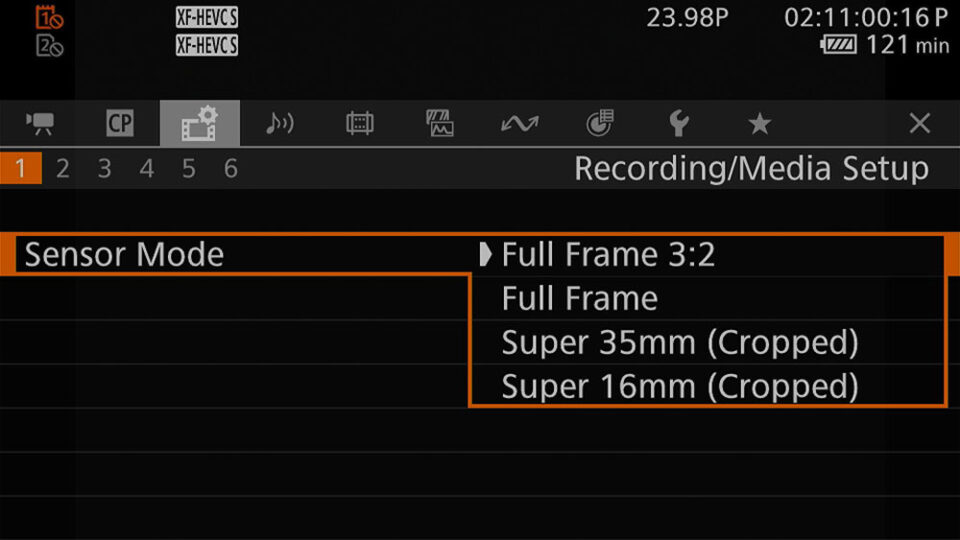
Full Frame 3:2 “Open Gate” Sensor Mode
By selecting Full Frame 3:2 from the Sensor Mode section of the main menu, you can shoot using the full area of the sensor and then use that information in post to crop and re-frame your footage to the aspect ratio of your choice. This is especially valuable when shooting with full-frame anamorphic lenses.
[from C50 Full Frame 3:2 “Open Gate” Sensor Mode]
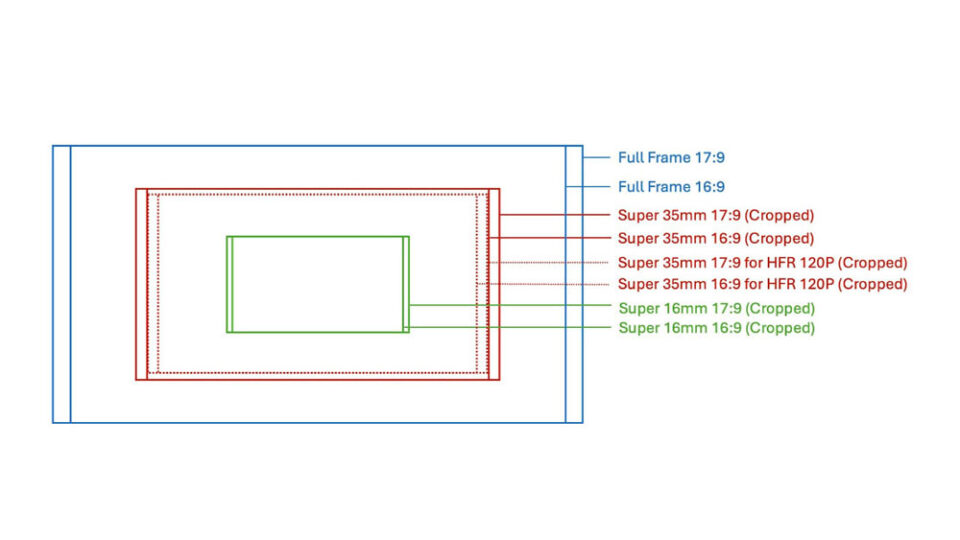
Super 35mm and Super 16 Crop Modes
The EOS C400 camera’s Full Frame sensor is capable of capturing footage in both 17:9 and 16:9 formats, and supports the use of Super 35mm and Super 16mm lenses with the appropriate sensor crop modes.
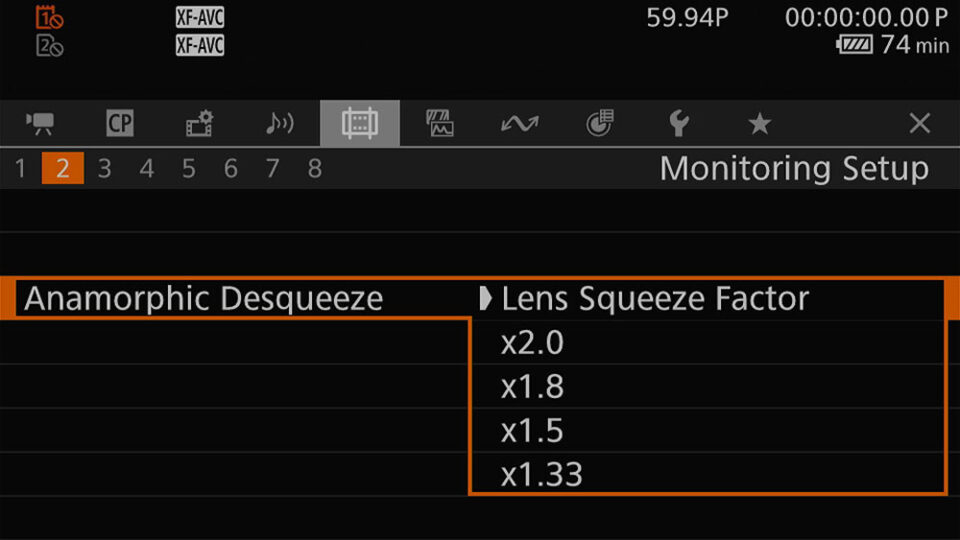
Anamorphic De-Squeeze
Anamorphic lenses have an elongated rear element that makes it possible to utilize flare and bokeh effects that cannot be achieved with ordinary lenses. The EOS C400 provides desqueeze magnification options, including OFF/2x/1.8x/1.5x/1.3x.
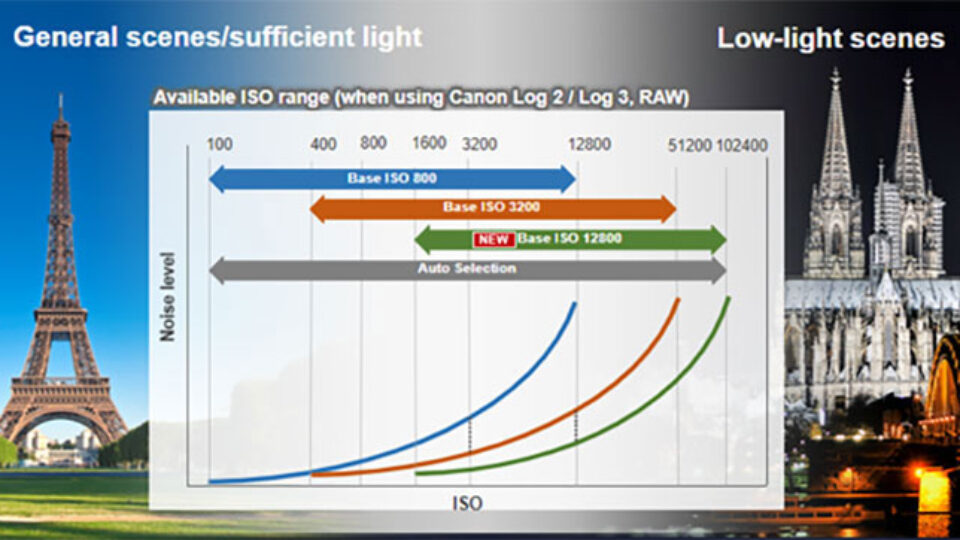
Triple Base ISO (800, 3200 and 12,800)
Our newly developed, full frame 6K back-illuminated stacked sensor offers triple-base ISO, which allows the EOS C400 to deliver stunning imagery in a wide range of lighting conditions. With base ISOs of 800, 3200, and 12,800, you will be able to maximize the full dynamic range of the sensor in brilliantly lit or low-light shooting conditions.
Internal Cinema RAW Light, XF-AVC Recording and New XF-HEVC S, XF-AVC S Formats
The EOS C400 can record up to 6K 60P Cinema RAW Light with an additional three Cinema RAW Light recording modes, HQ, ST and LT also with 12-bit recording. Other recording options include our standard XF-AVC codec which can record in 10-bit 4:2:2 with oversampling from the 6K sensor, creating rich detail and smooth imagery, at frame rates up to 120P, without the need for cropping the image from the sensor. For slow or fast motion recording, the C400 can support up to 4K 120P and 2K 180. Additionally, the C400 has two new recording codecs, XF-AVC S and XF-HEVC S. These formats feature an easy-to-manage naming system and folder structure, while recording in the familiar MP4 format and preserving metadata.
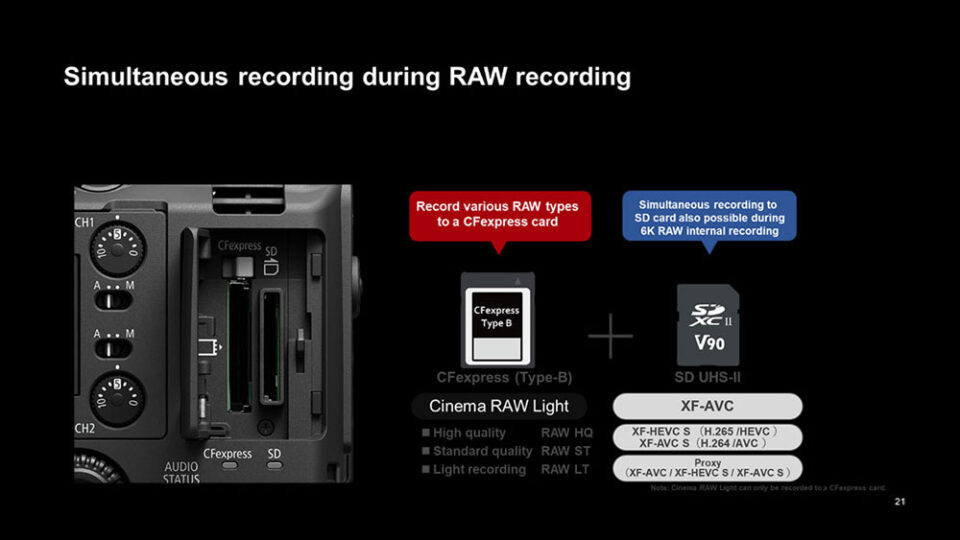
CFexpress Type B And SD Cards Slots
CFexpress and SD card slots on the EOS C400 allow for simultaneous recording even when shooting RAW. All recording options are recorded to the camera’s CFexpress slot with sub-recording and proxy options available on the SD card slot.
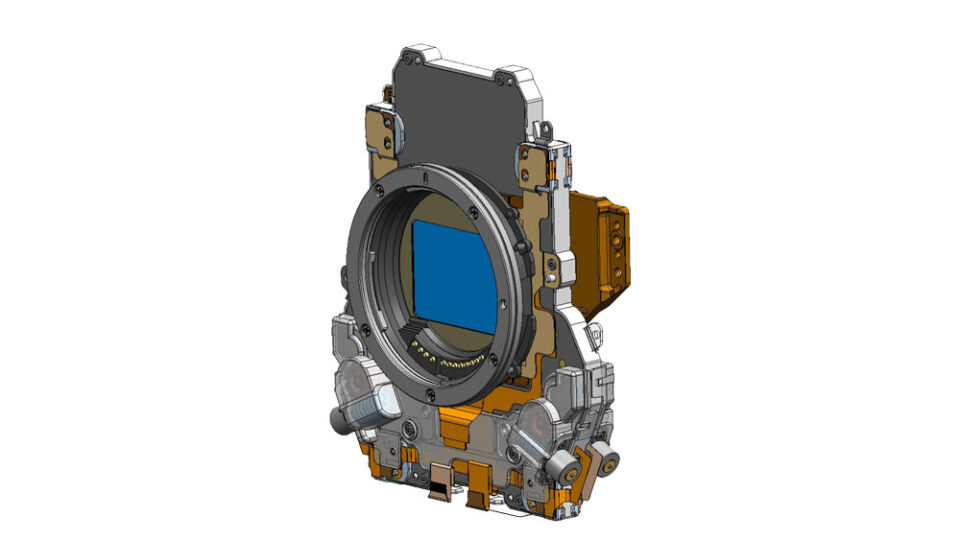
Built in Mechanical ND Filters
The C400’s compact mechanical ND filter assembly is specifically designed for the RF mount's short flange back. Buttons for direct control of ND filters are located on the right-hand side of the camera.
The C400 provides up to ten stops of ND filtration, allowing users to shoot in various lighting conditions. The use of ND filters allows a camera operator to adjust exposure while maintaining the depth of field.

Improved Autofocus with Dual Pixel CMOS AF II
The C400 supports the next generation of Canon’s acclaimed Dual Pixel CMOS Autofocus, Dual Pixel CMOS AF II. The back-illuminated stacked sensor provides better light-capturing efficiency, widening the area of the sensor that can be used for AF.
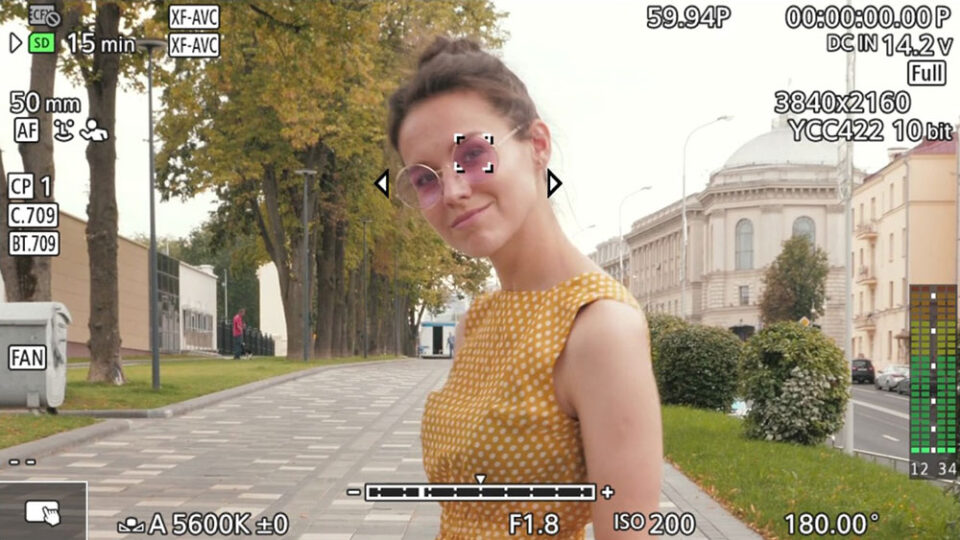
EOS Intelligent Tracking and Recognition
With outstanding speed, precision, and wide AF range, Dual Pixel CMOS AF II uses the EOS Intelligent Tracking and Recognition (iTR AF X) algorithm, developed with deep learning technology, to enable high-performance subject detection. In addition to human eyes, face, and head, the camera can now detect the body of a person and follow them with high accuracy.
iTR AF X Animal Detection
iTR AF X Animal Detection detects the eyes, face, or the entire body of certain animals to enable highly accurate focusing and tracking not affected by subject size or face orientation.*
* Animal detection may not be possible with some animals. Subjects that are not dogs or cats may be detected as animals in some cases.
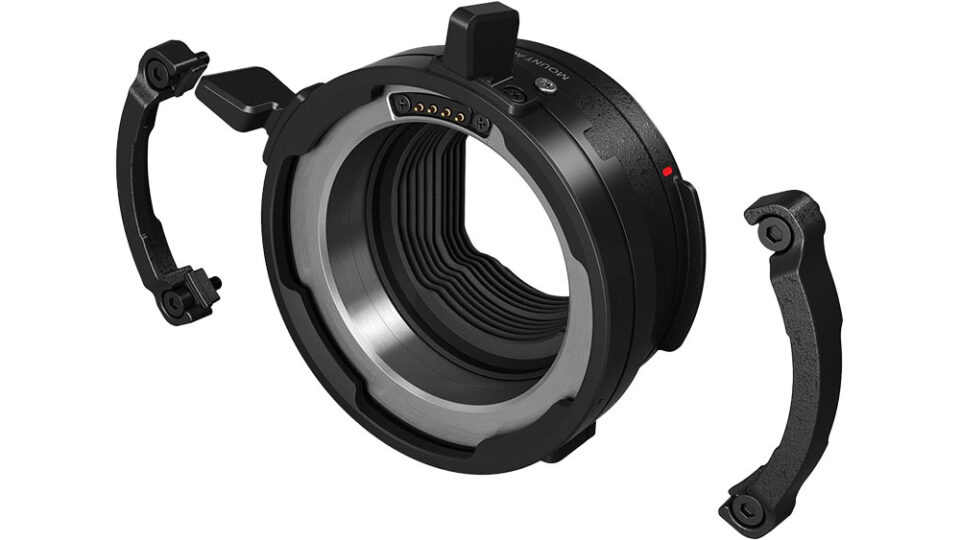
Mount Adapter PL-RF with Cooke/i Technology Compatibility
The Mount Adapter PL-RF, new to the RF ecosystem, unlocks a broad assortment of PL mount lenses for Canon’s RF cameras. The adapter is compatible with Cooke/i Technology’s metadata protocol and includes lock plates to ensure a secure lens mount.
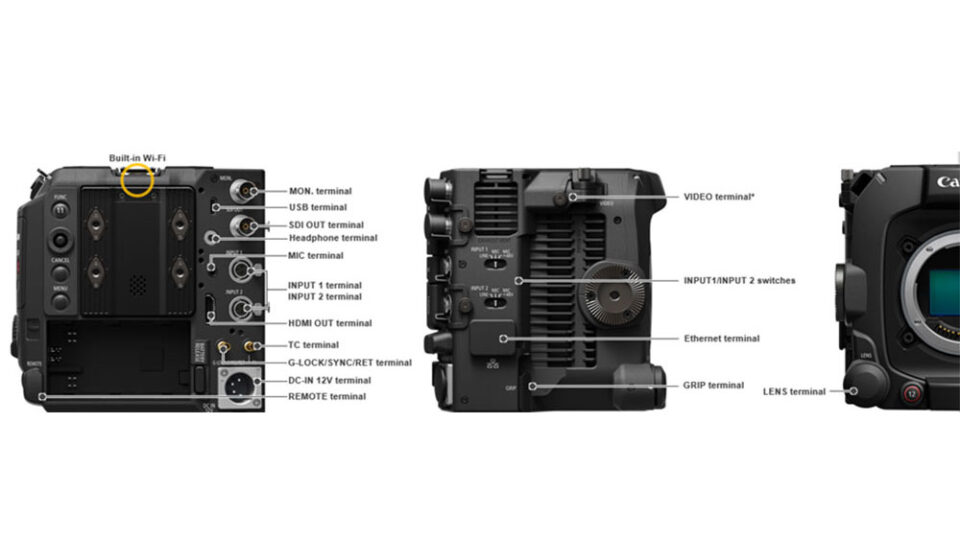
Variety of Interfaces, Including Timecode and Genlock
The C400 has diverse set of interfaces making it a versatile camera for film set production and live broadcast production.
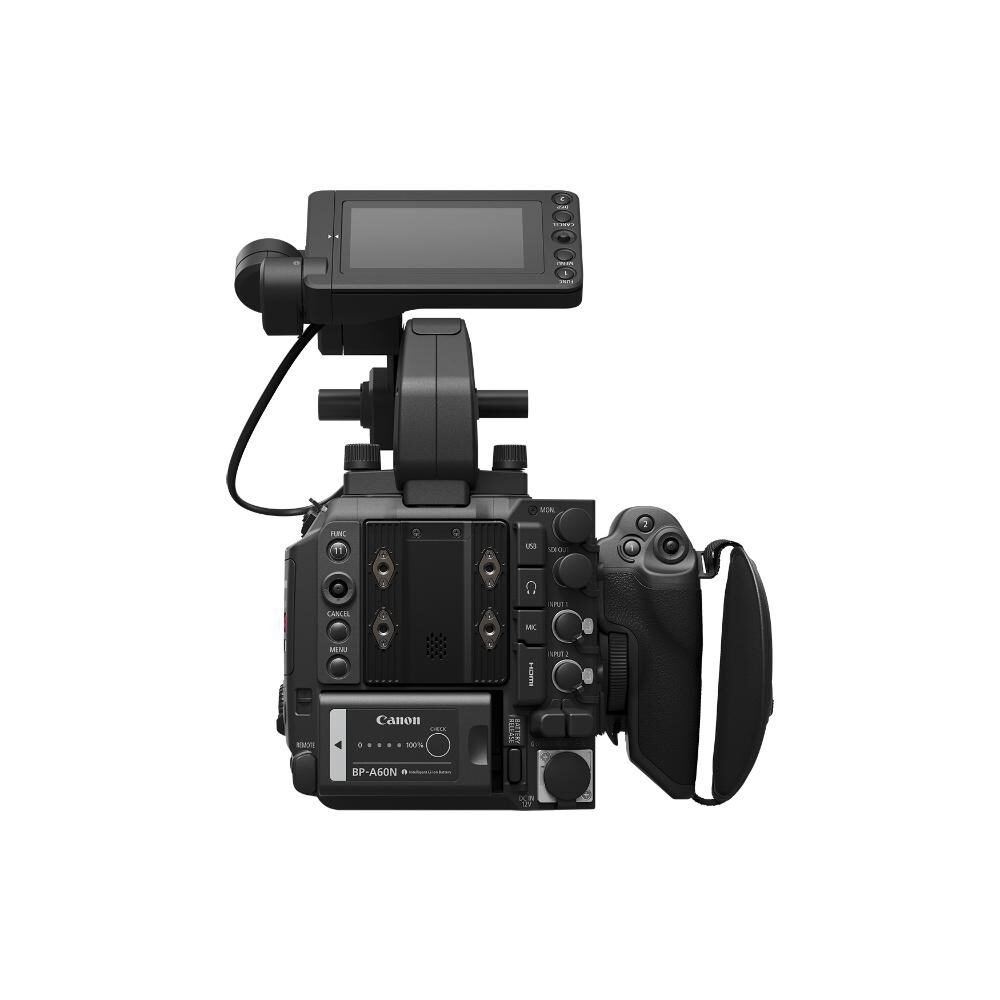
A dedicated 12-pin LENS terminal for broadcast and cine-servo lenses, 12G-SDI (SDI OUT) and 3G-SDI (MON.) for monitor outputs, two mini-XLR audio inputs (INPUT 1 and INPUT 2), DIN connectors for Time Code (TC), Genlock and return video (G-LOCK/SYNC/RET), a full-size HDMI (HDMI OUT), built-in Wi-Fi, Ethernet and REMOTE terminal.
Return Video Input, Ethernet, and Wi-Fi Control
The versatile C400 has specialized functions for live productions including a return video input that notifies operators which camera is currently being broadcast live.
The built-in Ethernet port enables Canon's IP-based remote control XC Protocol. XC Protocol helps to maximize operability and remote control of camera settings. Using the XC Protocol, the camera can be operated by Canon’s RC-IP1000 and RC-IP100 controllers, and XC Protocol-enabled third-party remote control panels (RCP) can remotely shade the camera.
Additionally, Canon’s Remote Control Camera Application (RCCA) can control camera settings as well as multiple cameras. The camera also features SRT protocol, enabling IP streaming of video and audio.
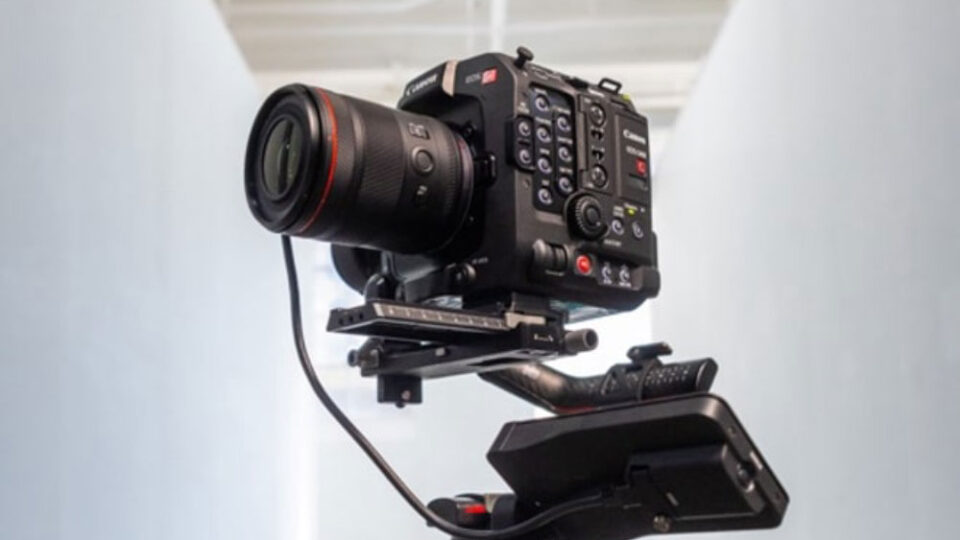
Compact, Lightweight, Ergonomic Body Design
The RF mount’s short flange back allows the EOS C400 body to be small and lightweight making the camera just as comfortable on a drone or a gimbal as it is on your shoulder, a tripod, or any configuration where compact size and light weight are important.
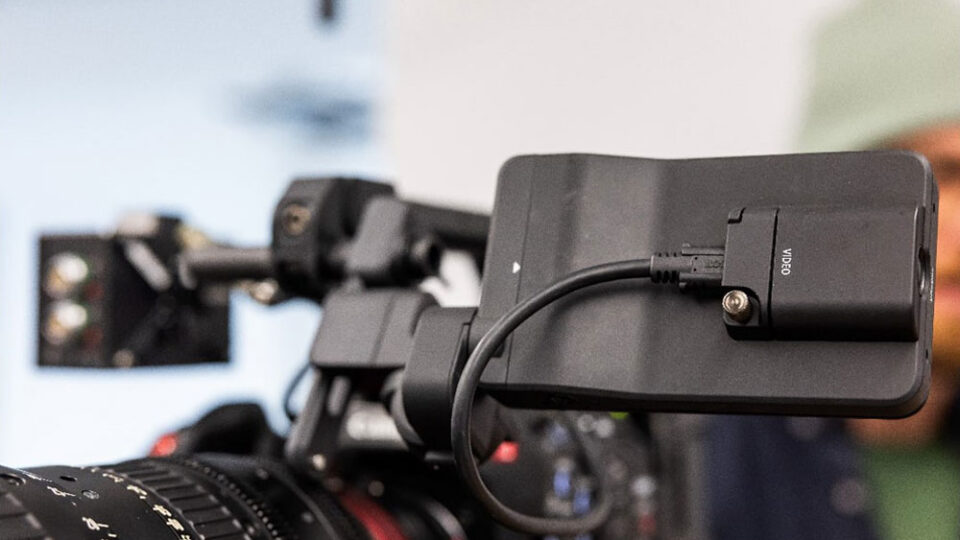
New LCD, Handle and Grip Design
The EOS C400 ships with a variety of beneficial accessories including a new LCD touch-screen monitor, camera grip and battery pack.
A new handle assembly with captive screws and Multi-function* Shoe has been designed for the EOS C400. The new LCD attachment allows the camera operator to adjust the angle and distance of the LCD monitor to suit almost any shooting style including handheld and shoulder-mounted. The LCD monitor also employs the MC-5U, a USB-C cable connecting to the camera body.
The EOS C400 also has an ergonomic camera grip for operator comfort, with three additional assignable buttons. The grip can be articulated to achieve a range of shooting angles.
* Handle assembly only for use with the C400.
Auto Clear Scan Mode
The Auto Clear Scan setting available in the camera is an automatic shutter mode setting that can detect the frequency of light sources between 50.0 Hz to 2011.2 Hz to help reduce or virtually eliminate the flickering in some LED walls.
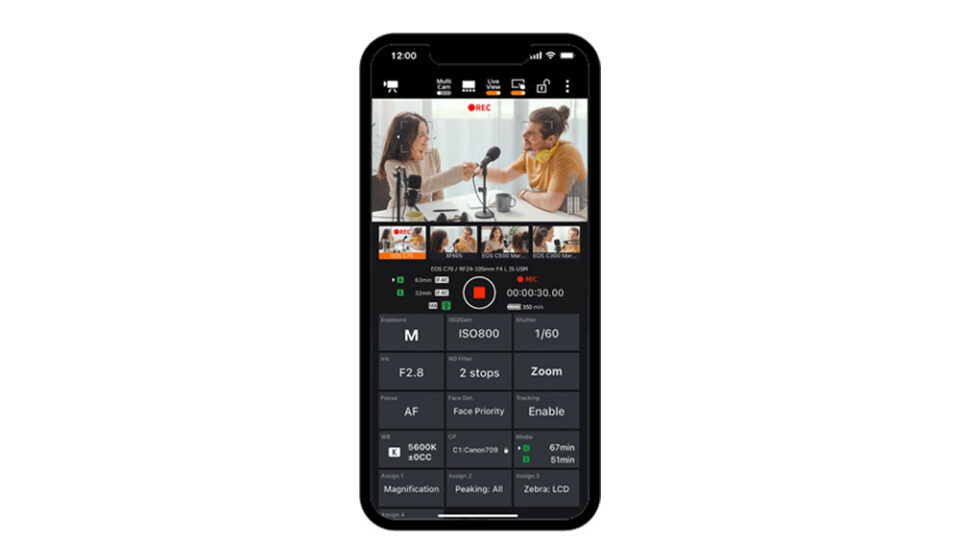
Canon Multi-Camera Control App
The EOS C400 is compatible with the Canon Multi-Camera Control App for iPhone.
This app empowers camera operators to have control over recording start and stop, focus, zoom and iris, ND Filters, ISO, Shutter, White Balance, Custom Picture and more, all while viewing the image from the camera.
Additional Features in December 2025 Firmware Update
Other additions to the December 2025 firmware update include: The EOS C400 enables LUT changes in Media Mode. The availability of LUTs in Media Mode enhances the convenience of image verification.
Overall image quality when using focus peaking in low-light environments has been improved.
Furthermore, specific functions assigned to assignable buttons—such as digital teleconverter magnification, AF frame, and AF detection—can now be toggled on/off.
The operability and the responsiveness of moving the AF frame via joystick control have been improved; when holding down the joystick, the time required to initiate continuous AF frame movement has been reduced, and the interval between frame movements has also been shortened. Additionally, the movement amount during continuous frame movement has been refined to improve smoothness.
When outputting CV protocol metadata, the OpenLens IO format can now be selected. This allows distortion parameters to be output in the OpenLens IO format via CV protocol output.
Get a Quote
Canon Canada Inc. 8000 Mississauga Road, Brampton, Ontario, L6Y 5Z7 1-905-863-8000